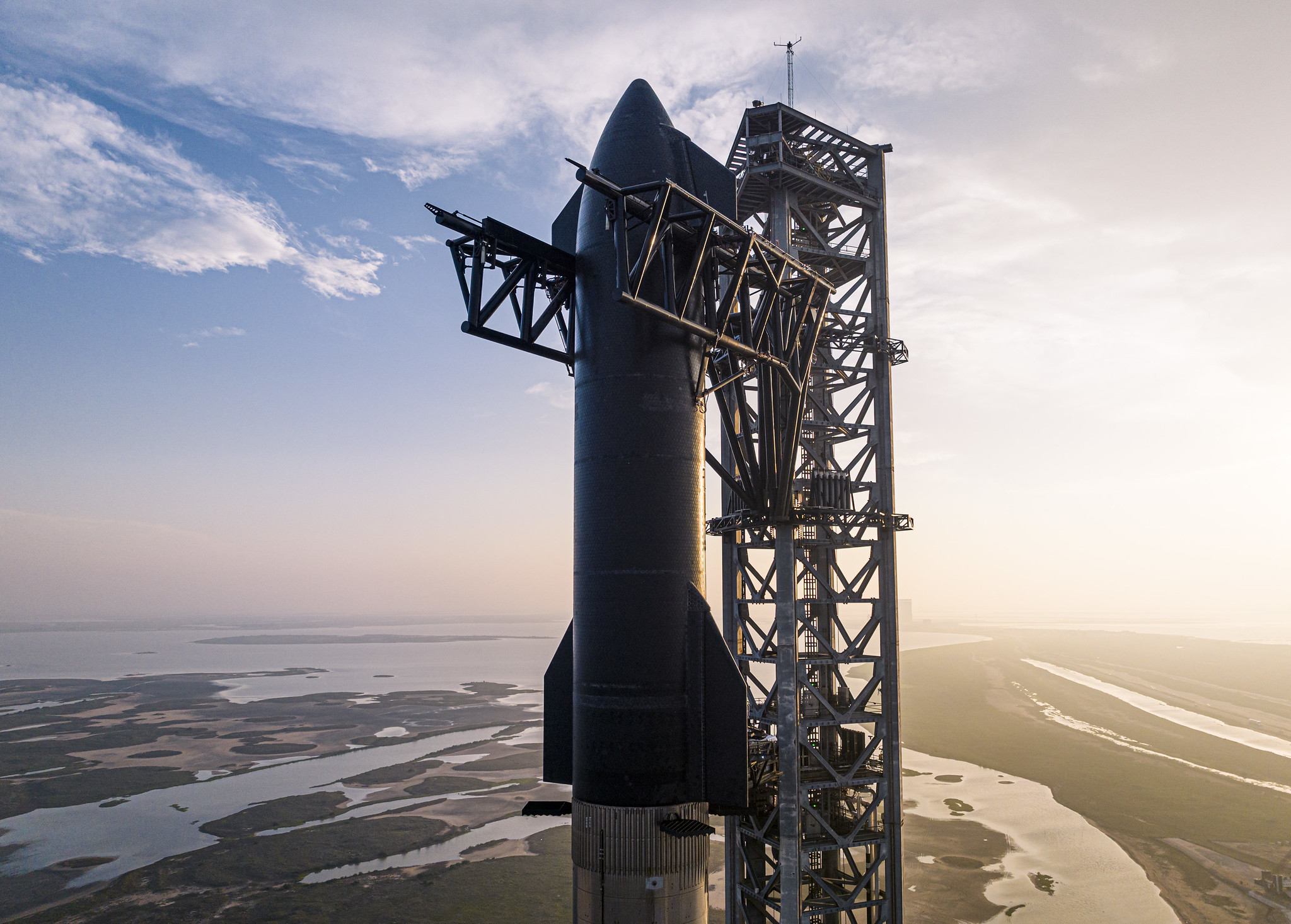
Real SpaceX photograph of Starship beside the launch tower at sunrise

ENGINEEREDFOR BEYOND.

One extraordinary system.
From the details that make it possible
to the moment it leaves the ground.

Explore the vehicle
STARBASE
EARTH

A SYSTEM.NOT JUSTA SHIP.

A spacecraft. A booster. One reusable vision. Built to carry more and go farther.

Explore the early-flight architecture shown here, then follow the program toward orbit, the Moon and Mars.

Reference stack height
120metres
Vehicle diameter
9metres
Payload design goal · 2020
100+tonnes to LEO
Integrated flight tests
14through Sep 2026

Dimensions describe the earlier configuration modeled here. Payload is a published design goal. Flight count includes integrated launches through 28 September 2026.

EVERY PART.ONE PURPOSE.

Separate the system.
Understand the whole.

Total height
120 m
Ship / booster
50 / 70 m
Total engines
39 Raptors
Scroll to separate & reassembleSELECT A COMPONENT TO LOOK CLOSER
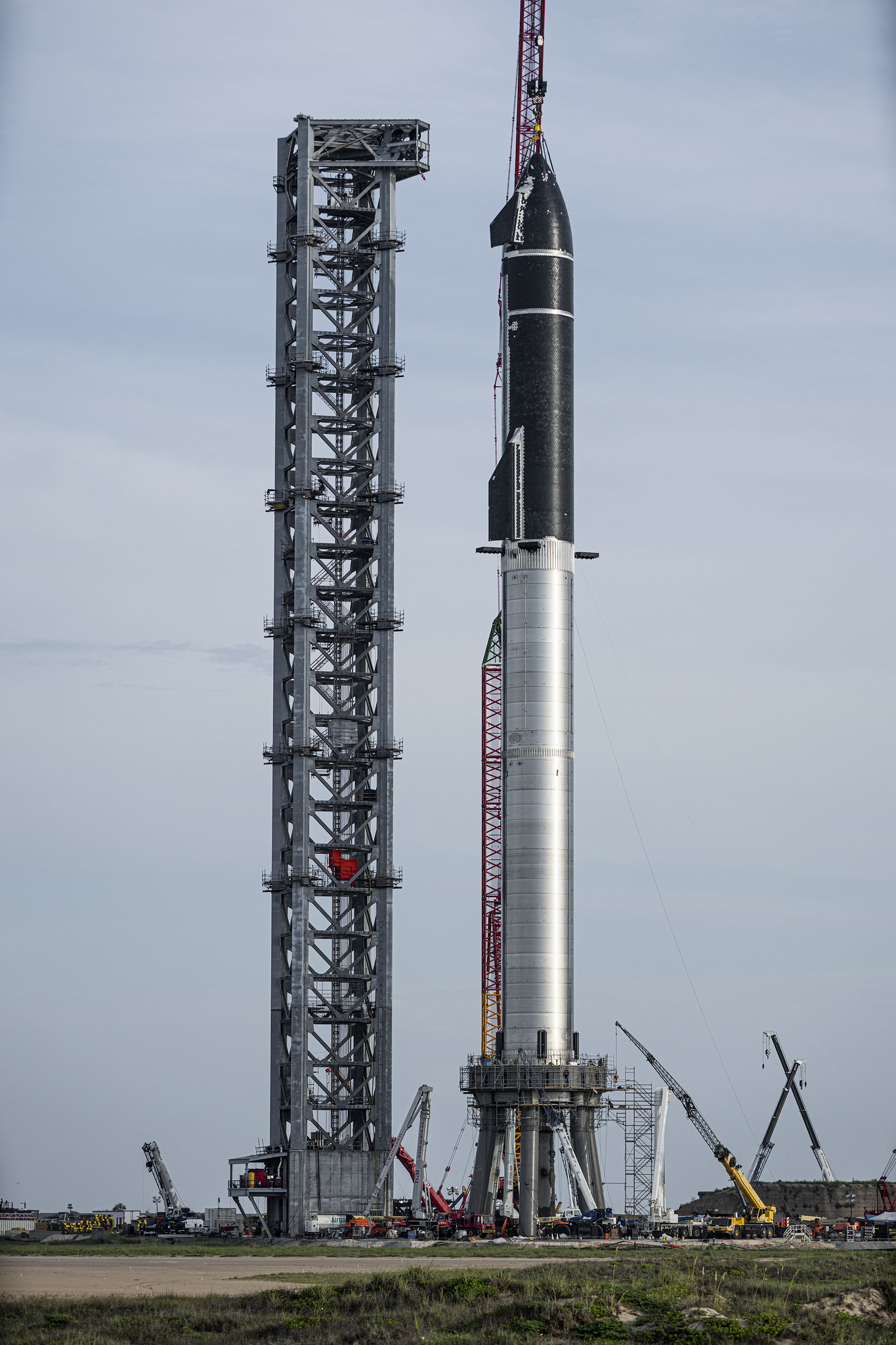
Photographic reference of the complete Starship and Super Heavy stack

Interactive 3D is unavailable on this device. Explore the reference photograph.
READY.
SET.
BEYOND.

Thirty-three engines. One coordinated ignition.

PREPARE FOR IGNITIONCINEMATIC LAUNCH STUDY · ORBITAL FIGURES ARE CONTEXT, NOT LIVE TELEMETRY
Replay launch
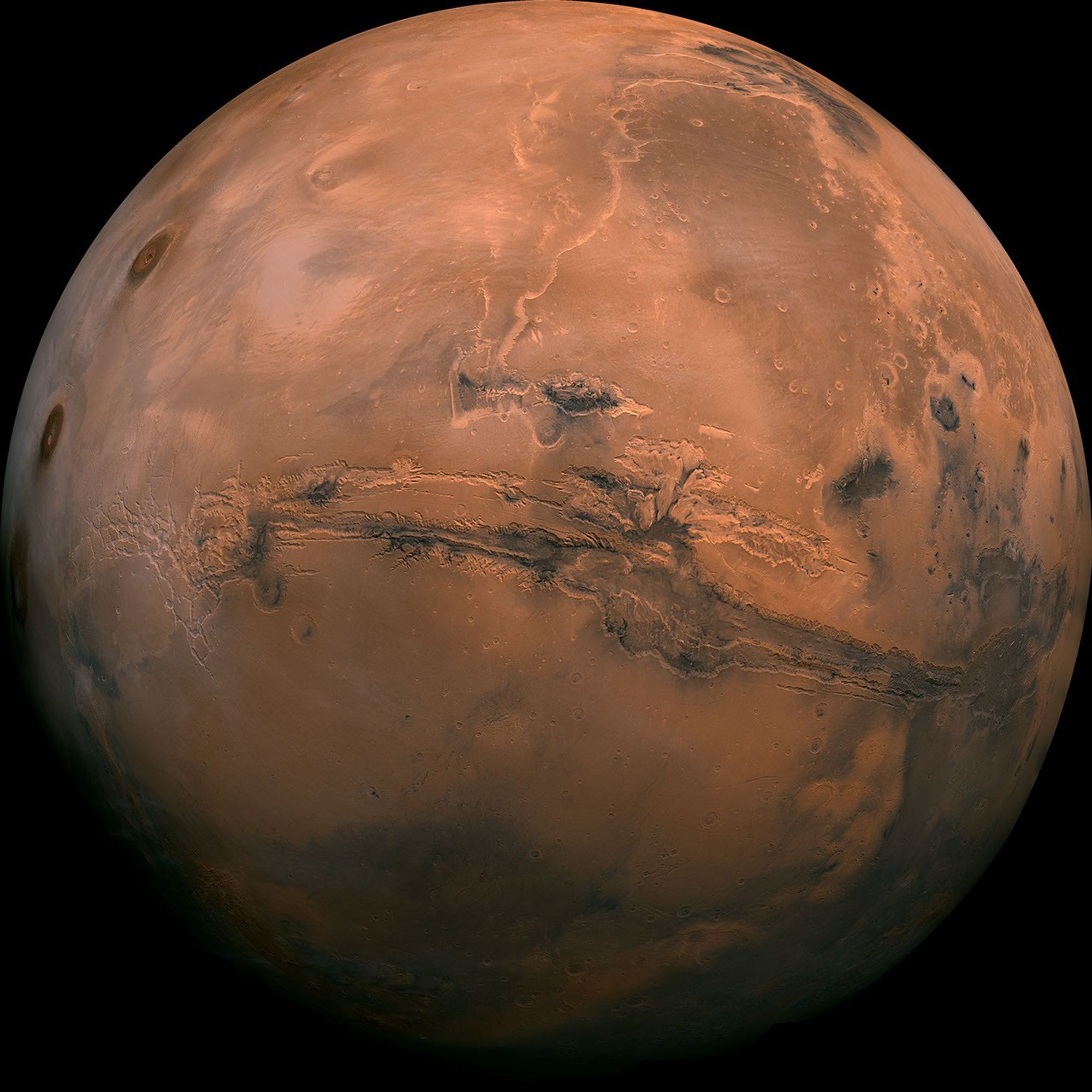
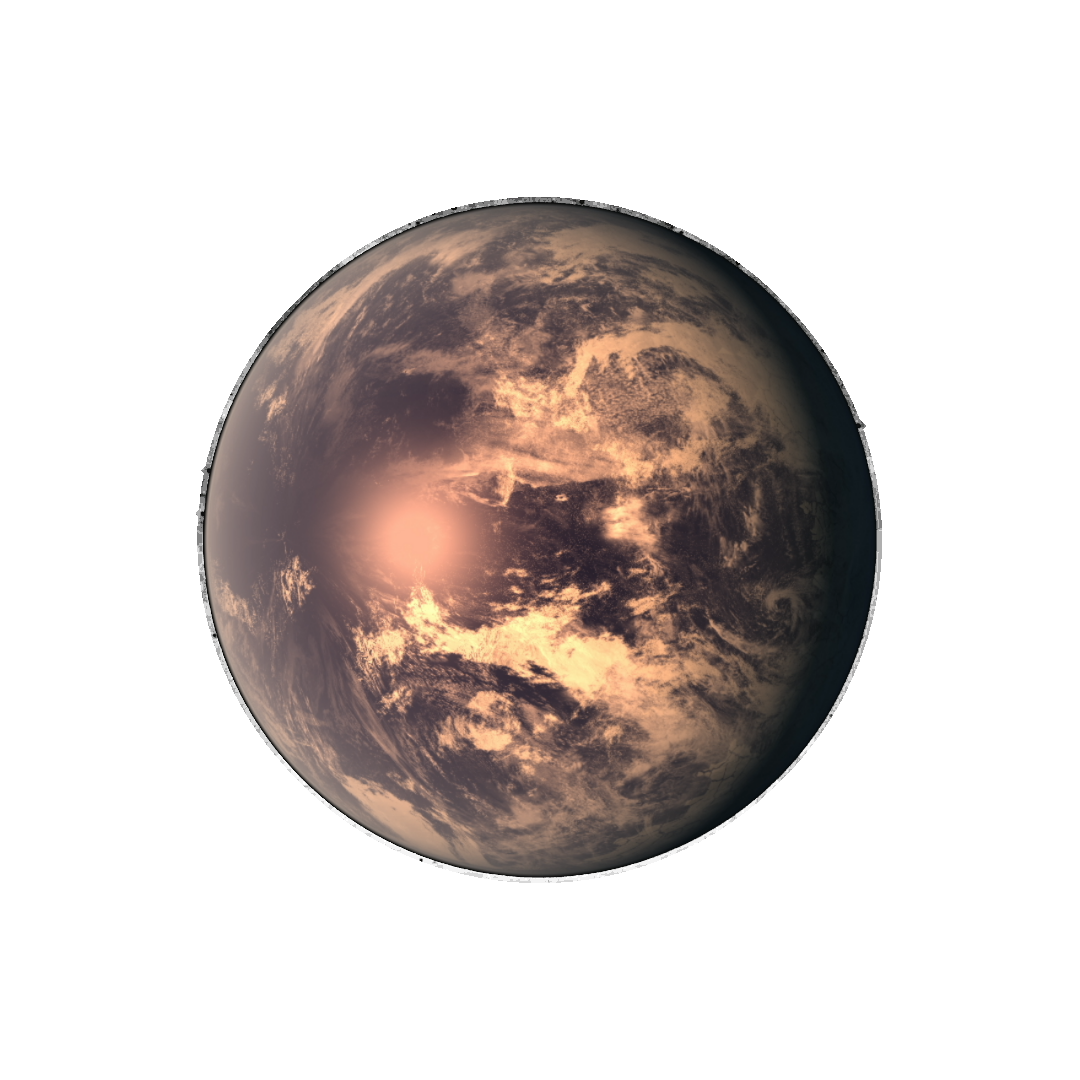
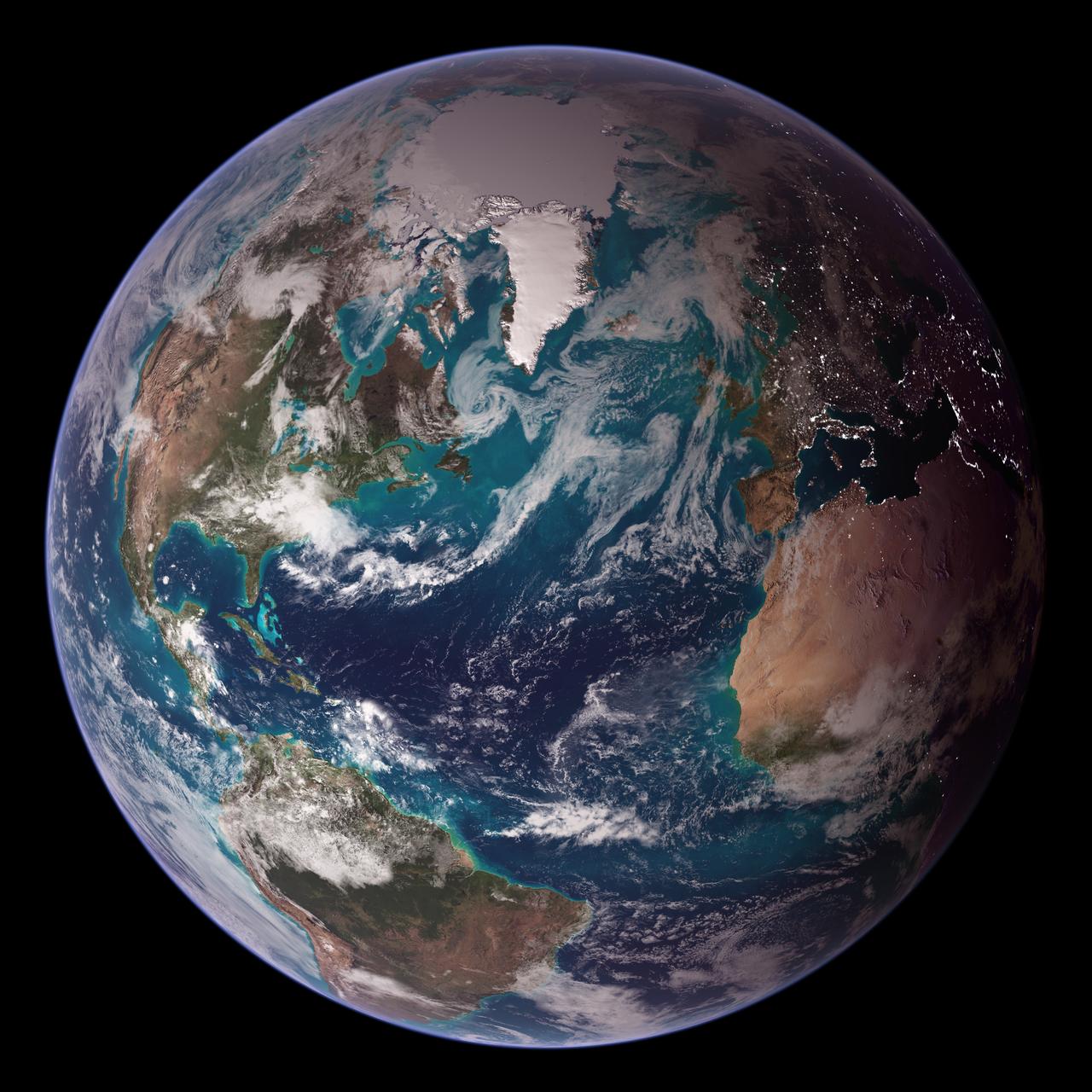
NASA Blue Marble composite of Earth, with ocean, clouds and a glowing atmosphereNASA Viking Orbiter mosaic showing the Valles Marineris hemisphere of MarsNASA/JPL-Caltech artist’s concept of TRAPPIST-1e showing hypothetical oceans and clouds; its actual surface is unknown

A NEW
PERSPECTIVE.

More science. More infrastructure. More access to our home planet from above.

Explore again

Range depends on payload, trajectory and orbital refilling.
Lunar and Mars capabilities remain in development.

Images: NASA